 delishing
How to Roast Cauliflower: A Vegan Thanksgiving Centerpiece

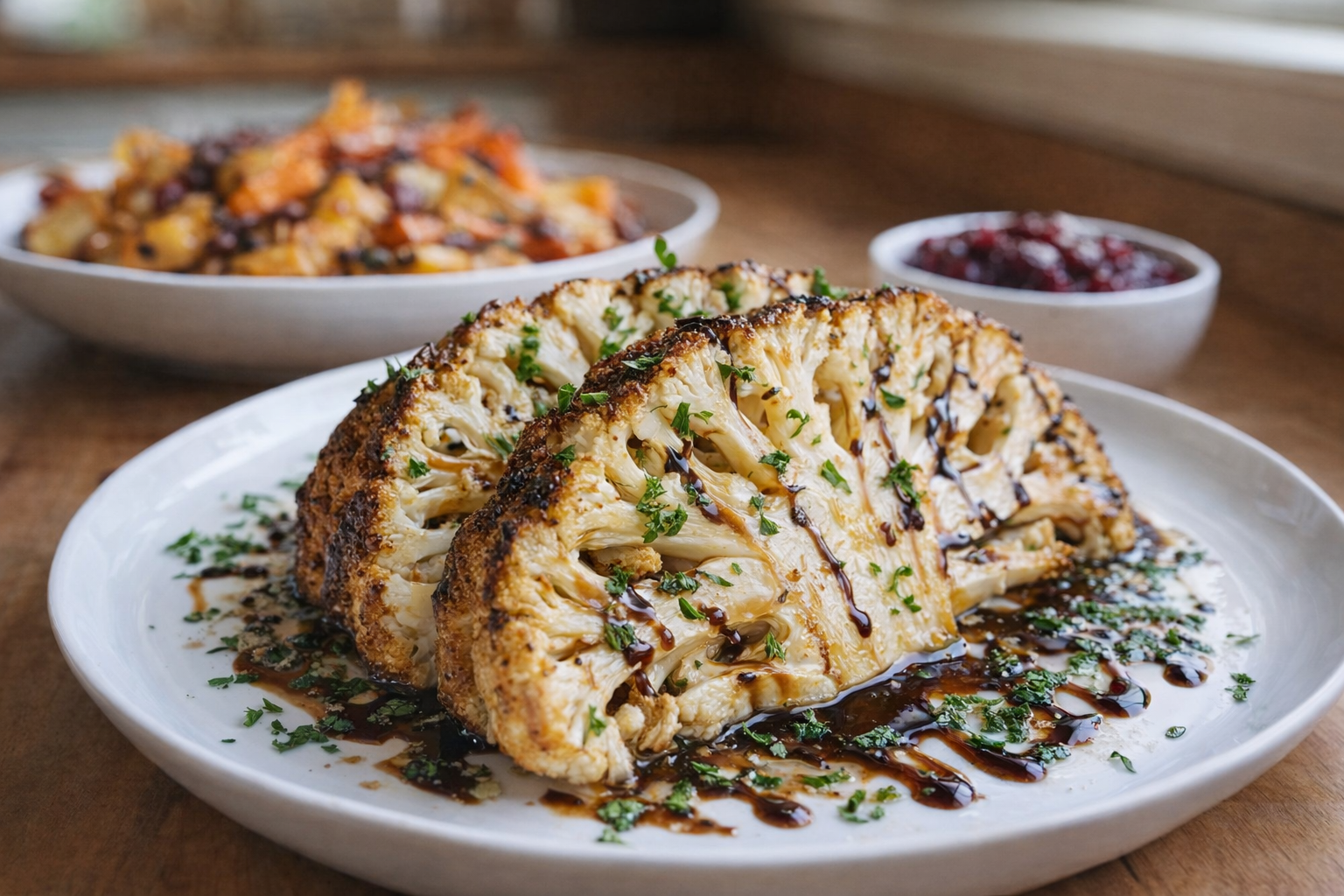
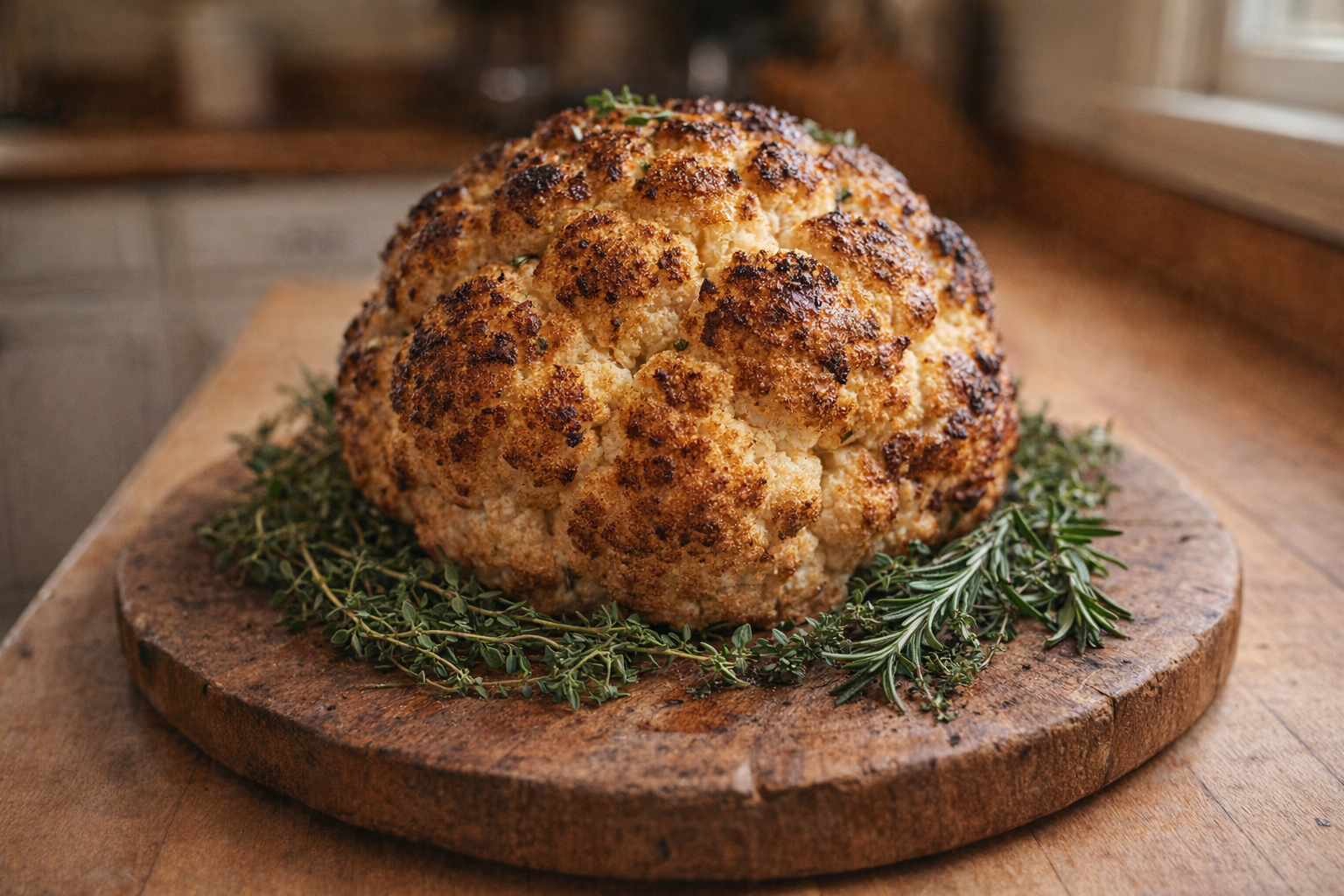
The humble cauliflower, often overlooked, transforms into a stunning and flavorful centerpiece with the right roasting technique. This guide focuses on achieving a deeply caramelized exterior and a tender interior, seasoned to perfection. The resulting roast boasts a slightly sweet, nutty flavor balanced by savory herbs and spices, making it a satisfying and impressive vegan alternative to traditional Thanksgiving roasts.
Roasting cauliflower at a high temperature allows the natural sugars to caramelize, creating a depth of flavor that steaming or boiling simply can't achieve. We'll walk you through the essential steps for prepping, seasoning, and roasting a whole cauliflower, ensuring a show-stopping dish that will impress even the most dedicated meat-eaters.
Understanding Cauliflower
Choosing the right cauliflower is key to a successful roast. Look for a head that is firm, heavy for its size, and has tightly packed florets. The color should be creamy white, without any brown spots or blemishes. Varieties like Romanesco cauliflower (with its fractal pattern) can also be roasted, offering a visually striking alternative, though the cooking time may vary slightly. When buying, consider organic cauliflower to minimize exposure to pesticides. Avoid cauliflower with a strong sulfurous odor, as this indicates it may be past its prime.
Why Cook Cauliflower This Way?
- Versatility: A roasted cauliflower can be seasoned in countless ways, from simple salt and pepper to complex spice blends. It can also be served as a main course, a side dish, or even incorporated into other recipes.
- Flavor: Roasting brings out the natural sweetness of cauliflower, creating a rich and satisfying flavor that is enhanced by browning and caramelization.
- Convenience: Roasting is a hands-off cooking method, requiring minimal attention once the cauliflower is in the oven.
Preparation (Mise en Place)
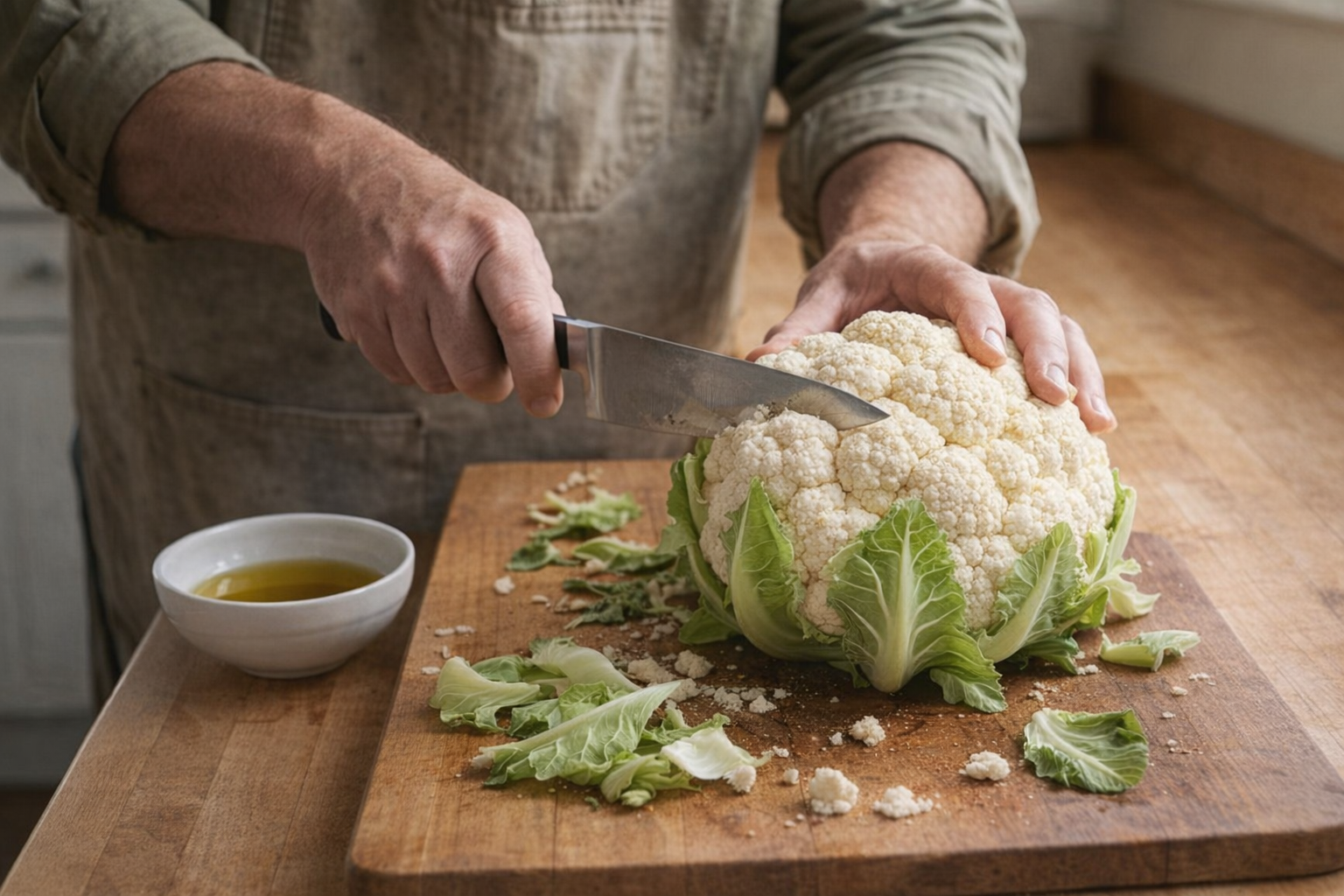
Before roasting, proper preparation is essential. Start by removing the outer green leaves from the cauliflower head, leaving a small portion of the stem intact to help hold the florets together. Rinse the cauliflower thoroughly under cold water, paying attention to any crevices where dirt may be trapped. Pat the cauliflower dry with paper towels to ensure even browning during roasting.
Essential Tools
- Large Baking Sheet: A sturdy baking sheet is essential for even heat distribution.
- Chef's Knife: A sharp chef's knife is needed for trimming the cauliflower.
- Mixing Bowls: For preparing the seasoning blend.
- Pastry Brush (Optional): For evenly distributing the oil.
The Cooking Method
Method 1: Simple Roasted Cauliflower
This method focuses on highlighting the natural flavor of cauliflower with minimal seasoning, resulting in a versatile and delicious dish.
Ingredients:
- 1 large head of cauliflower (about 2 pounds/900g)
- 2 tablespoons olive oil
- 1 teaspoon salt
- 1/2 teaspoon black pepper
- Optional: 1 teaspoon garlic powder, 1/2 teaspoon paprika
Instructions:
- Preheat your oven to 400°F (200°C). Ensure your rack is in the center position.
- Prepare the cauliflower as described above, removing the outer leaves and rinsing it thoroughly. Pat it dry to promote browning.
- In a small bowl, combine the olive oil, salt, pepper, and any optional spices.
- Place the cauliflower on a baking sheet lined with parchment paper for easy cleanup. Brush or drizzle the olive oil mixture evenly over the entire surface of the cauliflower, ensuring it penetrates between the florets.
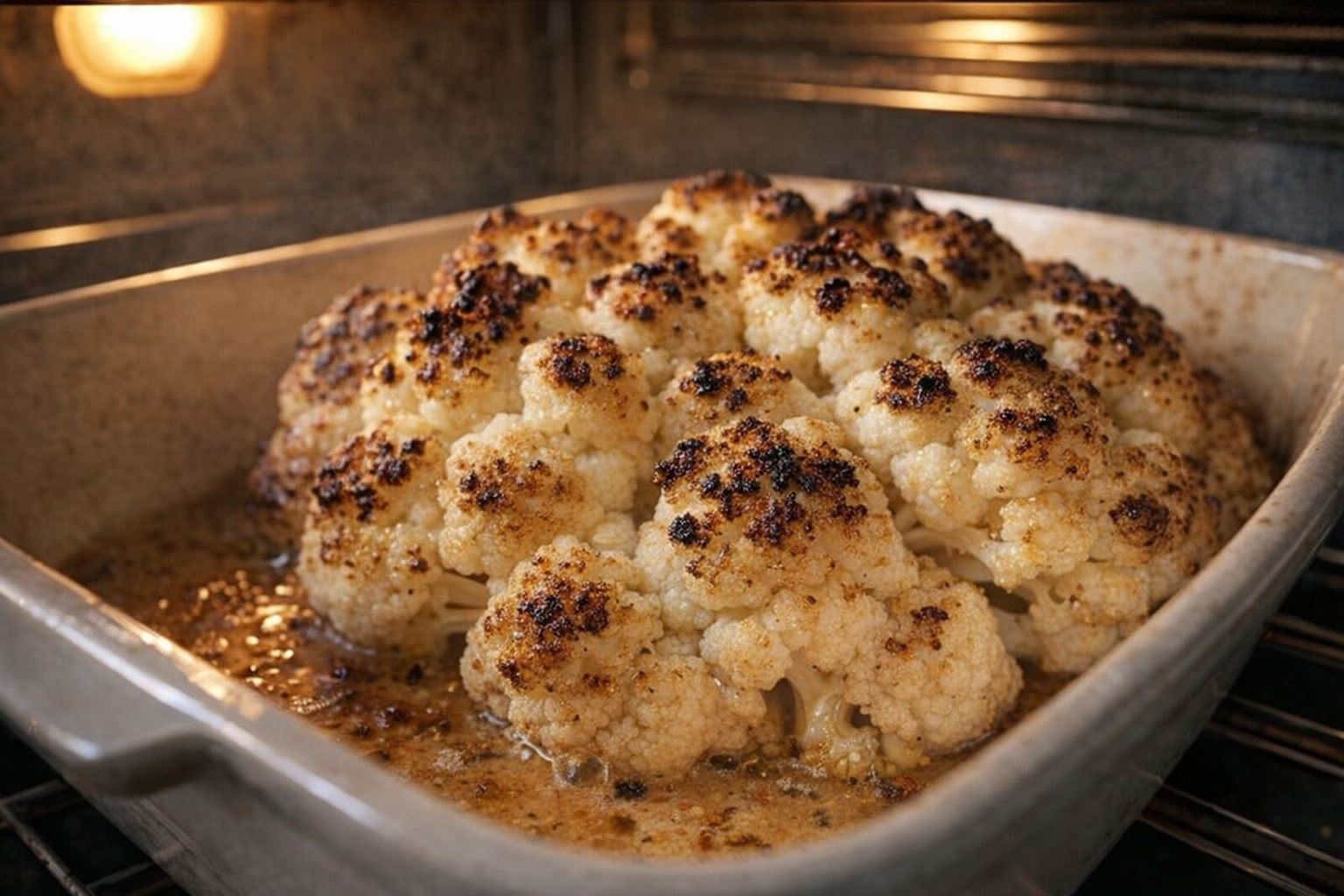
- Roast for 45-60 minutes, or until the cauliflower is tender and golden brown, with some slightly charred edges. Halfway through, rotate the cauliflower for even browning.
- Remove from the oven and let it rest for 5-10 minutes before carving and serving. The aroma of roasted cauliflower should be slightly nutty and savory.
Cooking Time & Doneness Guide
- Cooking Time: 45-60 minutes at 400°F (200°C).
- Internal Temperature: Cauliflower is done when it is tender and easily pierced with a fork. A thermometer inserted into the thickest part of the stem should read around 200°F (93°C), though this is not essential.
Visual Cues
The cauliflower should be golden brown with some slightly charred edges. The florets should be tender and easily pulled apart with a fork.
Tips for Perfection
- Don't Overcrowd: Ensure the cauliflower has enough space on the baking sheet for even browning.
- High Heat is Key: Roasting at a high temperature is crucial for caramelization.
- Rotate for Even Browning: Rotate the cauliflower halfway through the cooking time to ensure it browns evenly on all sides.
- Patience is a Virtue: Avoid opening the oven door frequently during roasting, as this can lower the temperature and affect browning.
Storage & Reheating
Store leftover roasted cauliflower in an airtight container in the refrigerator for up to 3-4 days. To reheat, preheat your oven to 350°F (175°C) and bake for 10-15 minutes, or until heated through. You can also reheat it in a skillet over medium heat, adding a little olive oil to prevent sticking. Avoid microwaving, as this can make the cauliflower mushy.
Serving Suggestions
- As a Vegan Roast: Serve as a centerpiece for a vegan Thanksgiving or holiday meal, accompanied by gravy and other side dishes.
- As a Side Dish: Pair with roasted vegetables, grains, or legumes for a balanced and flavorful meal.
- In a Salad: Chop up the roasted cauliflower and add it to a salad with greens, nuts, and a vinaigrette dressing.
- In Tacos or Wraps: Use roasted cauliflower as a filling for tacos or wraps, along with other vegetables and toppings.
💡 Pro Tips
- Pat the cauliflower completely dry after rinsing to encourage browning.
- Don't be afraid to let the cauliflower get slightly charred; that's where the best flavor is!
- For extra flavor, add a squeeze of lemon juice after roasting.
- Consider adding a sprinkle of nutritional yeast after roasting for a cheesy flavor.
- Rotating the cauliflower halfway through the cooking time ensures even browning.
Frequently Asked Questions
While fresh cauliflower is highly recommended for best results, you can use frozen in a pinch. Make sure to thaw it completely and pat it very dry before roasting. Be aware that the texture might be slightly softer than fresh cauliflower, and it may require less cooking time.
If you notice the cauliflower browning too rapidly, you can tent it loosely with aluminum foil to slow down the browning process. This will allow the inside to cook through without the exterior burning.
Yes, you can roast the cauliflower ahead of time and store it in the refrigerator for up to 3 days. Reheat it in a preheated oven at 350°F (175°C) for 10-15 minutes, or until heated through. This is a great way to save time when preparing for a larger meal.
The possibilities are endless! Try adding smoked paprika, cumin, curry powder, or Italian seasoning. For a spicy kick, include a pinch of red pepper flakes. You can also experiment with fresh herbs like rosemary, thyme, or oregano.